






Across the modern internet an invisible economy operates behind every click, pause and scroll. What began as a system designed to connect people gradually evolved into a global infrastructure that observes behavior, converts human attention into data and transforms that data into one of the most valuable economic resources of the digital age.
When the Internet Began Watching
For much of its early existence the internet was understood primarily as a network of information. Websites functioned as digital destinations where people arrived in search of knowledge, communication or entertainment. Pages were published, readers visited them and discussions unfolded through relatively simple forums or email exchanges. Although servers recorded basic information about visitors, the system did not depend heavily on continuous behavioural observation. The internet resembled a large distributed library rather than an instrument designed to analyze the habits of its readers.
This environment began to change as digital platforms grew more sophisticated and more interactive. The arrival of social media introduced a fundamentally different structure to the online world. Instead of static pages of information the internet increasingly became a stream of constantly changing content produced by its own users. Photographs, short videos, personal updates and conversations flowed through these networks at enormous scale. Millions of people began sharing fragments of their everyday lives in digital form.
Each interaction with this content produced small signals that revealed something about the individual interacting with it. When a person paused while watching a video the system registered that moment of attention. When a user clicked on a photograph or typed a comment beneath a post the platform recorded the event. Even the speed at which a person scrolled through a feed offered subtle clues about which material attracted interest and which did not.
At first these signals appeared to be little more than technical byproducts of improving digital services. Platforms used them to refine recommendation systems that suggested content users might enjoy. Someone who frequently interacted with travel photography might see more images of landscapes or cities. A person interested in music might encounter more performances and playlists. These adjustments seemed helpful because they made the overwhelming volume of online material easier to navigate.
Yet the deeper significance of behavioural observation soon became apparent. The signals generated by billions of users interacting with digital platforms formed an extraordinarily detailed map of human preferences. Every pause, click and reaction could be aggregated into patterns that revealed what people were curious about, what emotions they expressed and how their interests evolved over time. Once these patterns were understood they could be used to predict future behaviour with surprising accuracy.
This predictive capability transformed the economic foundations of the internet. For most of the twentieth century advertising relied on broad demographic assumptions about audiences. A newspaper could estimate the interests of its readers but it could not know precisely which article captured the attention of a particular individual. Television networks measured viewership through statistical sampling rather than direct observation.
Digital platforms introduced a radically different system. Because user behaviour occurred within the infrastructure of the platform itself every interaction could be recorded and analyzed. Algorithms could learn which pieces of content held attention longest, which topics triggered emotional responses and which advertisements were most likely to produce purchases. The result was a powerful feedback loop in which human experience became a continuous source of data for machine analysis.
From this feedback loop emerged an entirely new economic model. Instead of simply selling advertising space platforms began selling predictive insights derived from behavioural data. Advertisers no longer needed to broadcast messages to large undifferentiated audiences. They could target individuals whose patterns of behaviour suggested a high probability of interest in a particular product or service. In practical terms this meant that every digital interaction contributed to a vast system designed to forecast what people might do next.
Over time the scale of this system expanded beyond anything previously imagined in media industries. Billions of individuals around the world carried smartphones that connected them continuously to digital platforms. Each device generated streams of behavioural signals describing how its user interacted with information. Social networks, video platforms, search engines and messaging services all participated in this data ecosystem. The combined effect was the creation of one of the largest behavioural observation systems in human history.
Scholars began to search for language capable of describing this transformation. One of the most influential terms that emerged was surveillance capitalism. The phrase captures the essence of an economic model in which human behaviour becomes raw material for digital production processes. Platforms observe interactions, convert them into data and analyze that data in order to produce predictive models of future behaviour. These predictions can then be sold to advertisers or used to shape the flow of information presented to users.
In such an environment the internet is no longer merely a medium for communication. It becomes an infrastructure for observation. Every moment of attention generates signals that feed algorithms designed to refine predictions about human behaviour. The more people interact with digital platforms the more accurate these predictions become. Engagement therefore functions simultaneously as participation in social communication and as input into a vast analytical machine.
The consequences of this system extend far beyond advertising revenue. Behavioural data also influences how information circulates across digital networks. Algorithms that determine which posts appear in a user’s feed rely heavily on signals derived from past interactions. If a person consistently reacts to certain topics or emotional tones the system learns to deliver similar material in the future. Over time the algorithm constructs a personalized environment shaped by patterns of behaviour that may have developed gradually and almost invisibly.
This dynamic explains why modern social media feeds often feel uniquely tailored to each individual. Two people following the same accounts may encounter entirely different streams of content depending on how their previous interactions have trained the algorithm. A user who engages frequently with political debates may see an environment dominated by news and commentary. Another person whose behaviour suggests interest in entertainment may receive a feed filled with music performances or comedy videos.
While personalization can make digital experiences feel convenient it also reinforces the central role of behavioural observation within the architecture of the internet. The system learns continuously from the signals produced by users and adjusts the distribution of information accordingly. In effect the platform becomes both a communication network and an experimental environment where algorithms test which forms of content maintain attention most effectively.
For many years this system appeared remarkably successful. Social media platforms expanded rapidly and connected billions of people across continents. Businesses discovered powerful new tools for reaching customers and individuals gained unprecedented opportunities to share ideas and creativity with global audiences. The internet seemed to have fulfilled its promise as a universal communication network.
Yet beneath this apparent success the foundations of the digital economy had quietly shifted. What looked like free communication was supported by an intricate infrastructure dedicated to observing behaviour. Human attention had become a commodity and the platforms that captured it accumulated extraordinary influence over how information flowed through society.
Only gradually did researchers, policymakers and ordinary users begin to recognize the full implications of this transformation. Questions emerged about how much behavioural data platforms collected and how that data might be used. Concerns about privacy, manipulation and algorithmic influence began to surface in public debates. The same systems that connected the world were also capable of shaping the information environments through which people understood that world.

The rise of artificial intelligence and synthetic media has intensified these concerns even further. Algorithms trained on massive behavioural datasets can now generate images, voices and videos that mimic reality with remarkable precision. In such an environment the combination of behavioural observation and algorithmic content generation creates new challenges for trust in digital information. If platforms observe human behaviour in order to predict what captures attention, and artificial intelligence can produce content optimized for those predictions, the boundaries between authentic communication and engineered influence may become increasingly difficult to distinguish.
Understanding how the internet evolved into this system of behavioural observation is therefore essential for examining its future. The architecture that underpins modern digital platforms did not emerge accidentally. It developed through a series of technological and economic decisions that prioritized engagement, data collection and predictive analysis. These decisions shaped the digital environments in which billions of people now live significant portions of their social and intellectual lives.
Whether the next phase of the internet will continue along the same path remains an open question. Growing awareness of surveillance capitalism has prompted discussions about alternative models of digital infrastructure that emphasize privacy, data safety and user autonomy. As societies grapple with the implications of artificial intelligence and global data economies the design of digital platforms may once again become a central topic of technological debate.
The Birth of the Behaviour Tracking Economy
The transformation of the internet into a behavioural observation system did not occur overnight. It evolved gradually as technology companies experimented with different ways of sustaining digital services that were offered to users at no direct cost. During the early years of the web many platforms struggled to identify stable business models. Advertising eventually emerged as the most reliable source of revenue, but the form advertising would take in the digital environment was still uncertain.
Search engines were among the first platforms to demonstrate how behavioural signals could be converted into economic value. When people typed queries into a search bar they revealed their immediate interests and intentions. Someone searching for travel destinations, electronic devices or educational courses was effectively announcing what they might be planning to purchase or learn about. By connecting advertising messages with these signals companies discovered that they could deliver promotions at precisely the moment when a user was most likely to respond.
This innovation changed the nature of online advertising. Instead of broadcasting a message to large anonymous audiences advertisers could now reach individuals whose behaviour suggested a high probability of interest. A person researching hiking equipment might encounter advertisements for outdoor gear while another searching for university programs could see promotions from educational institutions. The value of advertising space increased dramatically because it was linked to specific behavioural contexts rather than general audience demographics.
Social media platforms soon expanded this principle beyond search queries. In social networks users continuously generated behavioural signals through their interactions with posts, photographs and videos. Every like, comment, share or pause contributed to a growing dataset describing personal preferences and emotional responses. Algorithms could analyze these signals to build profiles predicting which types of content or advertisements might capture attention most effectively.
The economic implications of this system were profound. Behavioural data became the foundation of an entirely new form of digital production. Instead of manufacturing physical goods technology companies processed human experience itself. The interactions of billions of users were transformed into data streams that algorithms could analyze and refine. These analyses produced predictions about future behaviour that could be sold to advertisers seeking highly targeted audiences.
Over time this process created what researchers sometimes describe as a behavioural futures market. Platforms no longer simply observed what users were doing in the present moment. They attempted to anticipate what those users might do next. Predictive models estimated the likelihood that someone would click on a particular advertisement, watch a video until the end or purchase a product after seeing a recommendation. Advertisers paid for access to these predictions because they increased the efficiency of marketing campaigns.
This predictive economy required enormous quantities of behavioural data to function effectively. Platforms therefore developed increasingly sophisticated mechanisms for observing how people interacted with digital environments. Websites embedded tracking technologies capable of recording how long users remained on a page and which links they followed. Mobile applications collected signals from touch gestures, location services and device usage patterns. Each new interaction enriched the datasets that algorithms relied upon to refine predictions.

As the behavioural tracking economy expanded the scale of digital platforms grew correspondingly. The more users a platform attracted the more behavioural data it could collect and the more accurate its predictive models became. This dynamic created powerful incentives for companies to encourage constant engagement. Notifications, personalized recommendations and infinite scrolling feeds were not merely design choices aimed at improving user experience. They were mechanisms that sustained the flow of behavioural signals required to maintain the predictive infrastructure.
The architecture of social media feeds illustrates this dynamic particularly clearly. Instead of presenting posts in chronological order platforms often rely on ranking algorithms that determine which content appears first. These algorithms evaluate thousands of variables derived from past interactions. They measure which posts a user paused on, which videos were replayed and which topics generated comments. The objective is to predict which pieces of content will keep the user engaged for the longest period of time.
From a technological perspective these systems are remarkable achievements in large scale data analysis. Machine learning models process enormous datasets in order to identify patterns that would be impossible for human analysts to detect. The algorithms learn continuously from new behavioural signals, adjusting their predictions as users interact with content in different ways. The result is a highly adaptive digital environment that evolves with the habits of its participants.
However the same mechanisms that optimize engagement also reshape the structure of online communication. Because algorithms prioritize content that generates strong reactions they may amplify material that provokes intense emotions. Posts that inspire outrage or excitement can travel rapidly through networks because they trigger large volumes of interaction. In this sense the behavioural tracking economy does not simply observe human attention. It actively organizes the information environment around signals that indicate where that attention is concentrated.
Over time this process has transformed digital platforms into complex systems of behavioural influence. The algorithms that distribute content are designed to respond to engagement metrics, yet those metrics themselves are shaped by human psychology. People are naturally drawn to material that surprises them, challenges their beliefs or stimulates emotional responses. When algorithms learn to prioritize such signals the resulting information environment can become increasingly dramatic and fast paced.
These dynamics are further intensified by the global scale of digital networks. Platforms hosting billions of users operate as interconnected ecosystems where trends can spread across continents within hours. Behavioural signals generated in one region may influence the distribution of content in another because algorithms operate on datasets drawn from diverse populations. The internet therefore functions simultaneously as a local communication tool and a global behavioural laboratory.
The behavioural tracking economy has also influenced the design of digital infrastructure beyond social media. E commerce platforms analyze browsing patterns to recommend products. Video streaming services observe viewing habits in order to suggest new films and series. Even navigation applications learn from the movement patterns of drivers to optimize route suggestions. Across these different domains behavioural data functions as a resource that improves predictive systems.
Yet the accumulation of behavioural information at such scale has also raised fundamental questions about privacy and autonomy. Users rarely see the complex analytical processes that operate behind their screens. The algorithms observing their interactions function invisibly within server infrastructures located far from everyday awareness. Many individuals participate in digital platforms without fully understanding how extensively their behaviour is recorded and analyzed.
As public awareness of these systems has grown debates about data governance have become more prominent. Policymakers in several countries have introduced regulations intended to limit how companies collect and use personal data. Privacy frameworks seek to ensure that individuals retain some control over the information generated by their online activities. However regulating behavioural tracking presents significant challenges because the underlying infrastructure of digital platforms is deeply integrated with data collection processes.
The emergence of artificial intelligence has added another layer of complexity to these discussions. Machine learning models trained on vast behavioural datasets can generate increasingly sophisticated predictions about human preferences and decisions. The same datasets used to optimize advertising can also support recommendation systems that shape cultural consumption, news exposure and political discourse. In this sense behavioural data has become one of the most strategically valuable resources in the digital economy.
Understanding how this resource is generated and controlled is therefore central to examining the future of the internet. The behavioural tracking economy demonstrates that digital platforms are not neutral spaces where information flows freely. They are highly engineered environments designed to observe human activity and transform it into predictive knowledge. The challenge for societies in the coming decades will be determining how this knowledge should be governed and how digital systems can balance innovation with the protection of individual autonomy.
Algorithmic Feeds and the Engineering of Attention
As behavioural data became the central resource of the digital economy the architecture of online platforms began to evolve in ways that would maximize its production. The more signals a system could collect about human attention the more accurate its predictive models could become. Technology companies therefore faced a new challenge that differed from the problems of earlier media industries. Their objective was not simply to attract audiences but to sustain continuous engagement over long periods of time.
To achieve this objective platforms began redesigning the way information appeared on users’ screens. Instead of static pages where content remained fixed until refreshed the internet gradually transformed into a dynamic flow of material that updated constantly. Social media feeds, video platforms and news applications adopted formats where new posts appeared endlessly as users scrolled downward. Each movement of the finger across a smartphone screen revealed additional content that might capture interest.
This seemingly simple design decision had profound consequences. Infinite scrolling created an environment in which there was never a natural stopping point for digital consumption. Traditional media such as newspapers or television programs provided clear boundaries that signaled when an experience had ended. Online feeds removed those boundaries. Users could continue scrolling indefinitely, encountering an uninterrupted stream of images, comments and videos.
Algorithms soon became the invisible editors of these streams. Instead of presenting posts in chronological order platforms developed complex ranking systems capable of evaluating enormous quantities of behavioural signals. Every interaction a user performed with content contributed to the dataset used by these algorithms. The system learned which posts the user paused on, which comments received replies and which videos were watched until completion.
Machine learning models processed these signals in order to predict which pieces of content were most likely to maintain attention. Posts that generated strong engagement from similar users were promoted higher within feeds. Material that received little interaction gradually disappeared from visibility. The algorithm therefore functioned as a continuously adapting filter that shaped the digital environment according to behavioural patterns observed across the network.
From a technical perspective this system represented a remarkable achievement in large scale data analysis. Platforms hosting hundreds of millions or even billions of users were capable of generating individualized information environments for each participant. The feed displayed on a single smartphone was the result of thousands of algorithmic decisions informed by behavioural signals collected over months or years of interaction.
Yet the same mechanisms that optimized engagement also introduced new dynamics into the circulation of information. Human attention is strongly influenced by emotional and psychological factors. Content that provokes curiosity, excitement or outrage tends to capture interest more effectively than material that is neutral or analytical. Algorithms trained to maximize engagement therefore learn to prioritize content associated with strong emotional reactions.
Over time this process can reshape the character of digital communication itself. When posts that trigger intense reactions are consistently rewarded with visibility they become more prominent within the network. Creators learn to produce material that aligns with the signals favored by the algorithm. The platform gradually evolves into an environment where dramatic narratives, sensational headlines and emotionally charged imagery spread more rapidly than quieter forms of expression.
Researchers studying digital behaviour often describe this phenomenon as attention engineering. The architecture of online platforms is designed to identify and amplify the signals that indicate where attention is most concentrated. Notifications appear when algorithms predict that a user might be ready to re engage with the platform. Recommendation systems suggest additional videos or articles precisely at the moment when a person finishes consuming the previous one. Every element of the interface contributes to maintaining a continuous cycle of interaction.
Psychological research helps explain why these systems can be so effective. Human brains respond strongly to novelty and unpredictability. When individuals encounter unexpected information their curiosity is stimulated, encouraging them to continue exploring. Social media feeds exploit this tendency by presenting a mixture of familiar and surprising content. Each scroll reveals something new whose value cannot be predicted in advance. This uncertainty can encourage users to remain engaged longer than they initially intended.
The behavioural signals generated during these interactions feed directly back into the algorithms that shape the feed. If a particular type of video consistently causes users to pause for several seconds the system learns that this content is valuable. If certain posts generate rapid sharing activity they are distributed more widely across the network. The platform becomes a self reinforcing system where engagement signals guide the distribution of future content.
These dynamics also intersect with broader societal developments such as the rise of synthetic media. Artificial intelligence technologies are now capable of generating images, voices and videos that resemble authentic human expression. When such material enters an environment optimized for engagement it may spread quickly if it triggers strong reactions from viewers. Algorithms observing behavioural signals cannot always distinguish between genuine and manipulated media. Their primary objective remains maximizing attention.
This interaction between behavioural observation and algorithmic distribution introduces new challenges for the reliability of information circulating online. Posts that provoke emotional responses may travel farther through networks than those that require careful reflection. In an environment where attention functions as currency the most engaging material can dominate visibility even when its factual accuracy is uncertain.
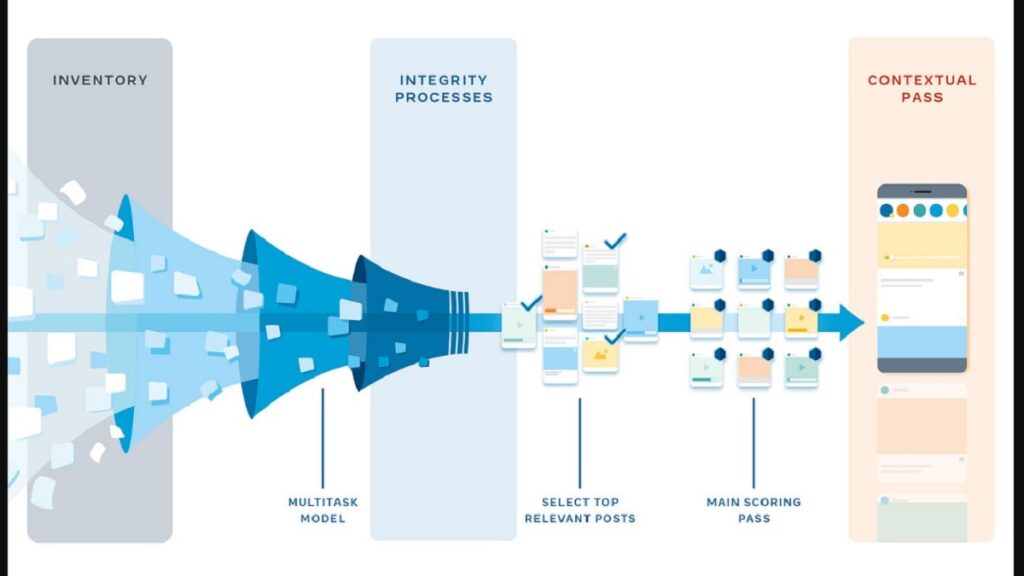
At the same time the immense scale of digital networks means that behavioural signals generated by individuals in one part of the world can influence information flows elsewhere. Algorithms trained on global datasets learn from patterns emerging across diverse populations. Trends originating within a particular cultural context may therefore appear in the feeds of users who live thousands of kilometers away. The internet functions simultaneously as a global communication system and as a complex behavioural experiment conducted in real time.
The economic incentives that support this architecture remain powerful. Platforms earn revenue by selling advertising that benefits from detailed behavioural insights. The more time users spend interacting with content the more opportunities exist to display targeted promotions. Engagement therefore functions as both a social activity and an economic resource. Algorithms optimized to capture attention are integral to maintaining this business model.
Yet as awareness of these mechanisms grows societies are beginning to question whether the architecture of digital platforms should evolve. Critics argue that systems designed primarily to maximize engagement may inadvertently amplify misinformation, polarization or emotional manipulation. Others note that the continuous observation of behaviour raises fundamental concerns about privacy and autonomy.
These debates reflect a broader recognition that the internet is no longer simply a collection of communication tools. It is an infrastructure that shapes how billions of people encounter information, form opinions and interact with one another. The algorithms guiding these interactions operate largely outside public visibility, yet their influence extends deeply into everyday life.
Understanding how attention engineering works is therefore essential for examining the future of digital societies. The platforms that dominate the modern internet have demonstrated extraordinary capacity to connect people across continents. They have enabled new forms of creativity, entrepreneurship and social organization. At the same time their reliance on behavioural observation and algorithmic optimization has created systems whose long term consequences remain difficult to predict.
As artificial intelligence technologies continue to evolve these dynamics may become even more complex. Algorithms capable of generating persuasive content could interact with recommendation systems that distribute material according to engagement signals. In such an environment the boundary between organic communication and engineered influence may become increasingly blurred.
These developments have prompted some technologists and policymakers to explore alternative approaches to platform design. If behavioural tracking and attention engineering produce unintended social effects perhaps digital infrastructure could be reimagined in ways that prioritize privacy, transparency and human agency. Such ideas remain subjects of ongoing debate, yet they illustrate how the architecture of the internet is once again becoming a central question for the future of technology.
Algorithmic Feeds and the Engineering of Attention
As behavioural data became the central resource of the digital economy the architecture of online platforms began to evolve in ways that would maximize its production. The more signals a system could collect about human attention the more accurate its predictive models could become. Technology companies therefore faced a new challenge that differed from the problems of earlier media industries. Their objective was not simply to attract audiences but to sustain continuous engagement over long periods of time.
To achieve this objective platforms began redesigning the way information appeared on users’ screens. Instead of static pages where content remained fixed until refreshed the internet gradually transformed into a dynamic flow of material that updated constantly. Social media feeds, video platforms and news applications adopted formats where new posts appeared endlessly as users scrolled downward. Each movement of the finger across a smartphone screen revealed additional content that might capture interest.
This seemingly simple design decision had profound consequences. Infinite scrolling created an environment in which there was never a natural stopping point for digital consumption. Traditional media such as newspapers or television programs provided clear boundaries that signaled when an experience had ended. Online feeds removed those boundaries. Users could continue scrolling indefinitely, encountering an uninterrupted stream of images, comments and videos.
Algorithms soon became the invisible editors of these streams. Instead of presenting posts in chronological order platforms developed complex ranking systems capable of evaluating enormous quantities of behavioural signals. Every interaction a user performed with content contributed to the dataset used by these algorithms. The system learned which posts the user paused on, which comments received replies and which videos were watched until completion.
Machine learning models processed these signals in order to predict which pieces of content were most likely to maintain attention. Posts that generated strong engagement from similar users were promoted higher within feeds. Material that received little interaction gradually disappeared from visibility. The algorithm therefore functioned as a continuously adapting filter that shaped the digital environment according to behavioural patterns observed across the network.
From a technical perspective this system represented a remarkable achievement in large scale data analysis. Platforms hosting hundreds of millions or even billions of users were capable of generating individualized information environments for each participant. The feed displayed on a single smartphone was the result of thousands of algorithmic decisions informed by behavioural signals collected over months or years of interaction.
Yet the same mechanisms that optimized engagement also introduced new dynamics into the circulation of information. Human attention is strongly influenced by emotional and psychological factors. Content that provokes curiosity, excitement or outrage tends to capture interest more effectively than material that is neutral or analytical. Algorithms trained to maximize engagement therefore learn to prioritize content associated with strong emotional reactions.
Over time this process can reshape the character of digital communication itself. When posts that trigger intense reactions are consistently rewarded with visibility they become more prominent within the network. Creators learn to produce material that aligns with the signals favored by the algorithm. The platform gradually evolves into an environment where dramatic narratives, sensational headlines and emotionally charged imagery spread more rapidly than quieter forms of expression.
Researchers studying digital behaviour often describe this phenomenon as attention engineering. The architecture of online platforms is designed to identify and amplify the signals that indicate where attention is most concentrated. Notifications appear when algorithms predict that a user might be ready to re engage with the platform. Recommendation systems suggest additional videos or articles precisely at the moment when a person finishes consuming the previous one. Every element of the interface contributes to maintaining a continuous cycle of interaction.
Psychological research helps explain why these systems can be so effective. Human brains respond strongly to novelty and unpredictability. When individuals encounter unexpected information their curiosity is stimulated, encouraging them to continue exploring. Social media feeds exploit this tendency by presenting a mixture of familiar and surprising content. Each scroll reveals something new whose value cannot be predicted in advance. This uncertainty can encourage users to remain engaged longer than they initially intended.
The behavioural signals generated during these interactions feed directly back into the algorithms that shape the feed. If a particular type of video consistently causes users to pause for several seconds the system learns that this content is valuable. If certain posts generate rapid sharing activity they are distributed more widely across the network. The platform becomes a self reinforcing system where engagement signals guide the distribution of future content.
These dynamics also intersect with broader societal developments such as the rise of synthetic media. Artificial intelligence technologies are now capable of generating images, voices and videos that resemble authentic human expression. When such material enters an environment optimized for engagement it may spread quickly if it triggers strong reactions from viewers. Algorithms observing behavioural signals cannot always distinguish between genuine and manipulated media. Their primary objective remains maximizing attention.
This interaction between behavioural observation and algorithmic distribution introduces new challenges for the reliability of information circulating online. Posts that provoke emotional responses may travel farther through networks than those that require careful reflection. In an environment where attention functions as currency the most engaging material can dominate visibility even when its factual accuracy is uncertain.

At the same time the immense scale of digital networks means that behavioural signals generated by individuals in one part of the world can influence information flows elsewhere. Algorithms trained on global datasets learn from patterns emerging across diverse populations. Trends originating within a particular cultural context may therefore appear in the feeds of users who live thousands of kilometers away. The internet functions simultaneously as a global communication system and as a complex behavioural experiment conducted in real time.
The economic incentives that support this architecture remain powerful. Platforms earn revenue by selling advertising that benefits from detailed behavioural insights. The more time users spend interacting with content the more opportunities exist to display targeted promotions. Engagement therefore functions as both a social activity and an economic resource. Algorithms optimized to capture attention are integral to maintaining this business model.
Yet as awareness of these mechanisms grows societies are beginning to question whether the architecture of digital platforms should evolve. Critics argue that systems designed primarily to maximize engagement may inadvertently amplify misinformation, polarization or emotional manipulation. Others note that the continuous observation of behaviour raises fundamental concerns about privacy and autonomy.
These debates reflect a broader recognition that the internet is no longer simply a collection of communication tools. It is an infrastructure that shapes how billions of people encounter information, form opinions and interact with one another. The algorithms guiding these interactions operate largely outside public visibility, yet their influence extends deeply into everyday life.
Understanding how attention engineering works is therefore essential for examining the future of digital societies. The platforms that dominate the modern internet have demonstrated extraordinary capacity to connect people across continents. They have enabled new forms of creativity, entrepreneurship and social organization. At the same time their reliance on behavioural observation and algorithmic optimization has created systems whose long term consequences remain difficult to predict.
As artificial intelligence technologies continue to evolve these dynamics may become even more complex. Algorithms capable of generating persuasive content could interact with recommendation systems that distribute material according to engagement signals. In such an environment the boundary between organic communication and engineered influence may become increasingly blurred. These developments have prompted some technologists and policymakers to explore alternative approaches to platform design. If behavioural tracking and attention engineering produce unintended social effects perhaps digital infrastructure could be reimagined in ways that prioritize privacy, transparency and human agency. Such ideas remain subjects of ongoing debate, yet they illustrate how the architecture of the internet is once again becoming a central question for the future of technology.
Generation Z and the Behavioural Internet
The transformation of the internet into a behavioural observation system has unfolded over roughly two decades. During this period an entire generation has grown up within digital environments whose architecture was already shaped by algorithmic feeds, behavioural tracking and continuous data collection. For Generation Z the internet has never been a simple network of static webpages or isolated forums. It has always been an interactive ecosystem where identity, communication and cultural expression unfold through platforms that observe and analyze behaviour in real time.
This generational context is important because it influences how young people understand the digital world. Earlier internet users experienced the transition from offline communication to online networks as a gradual shift. They remember a time when social interaction was largely separated from digital platforms. For Generation Z the boundary between online and offline life has always been less distinct. Social relationships, creative expression, entertainment and even education frequently occur through the same digital interfaces.
As a result the behavioural internet has become an environment where identity itself is partly constructed through algorithmic systems. The photographs shared on social platforms, the videos posted on short form media applications and the comments written beneath posts contribute to a digital presence that evolves over time. Algorithms observing these activities learn patterns about individual preferences and gradually shape the information environment surrounding each user.
For many young people this process feels natural because it has always existed within their experience of technology. Personalized feeds present content that appears relevant to personal interests. Recommendation systems introduce new music, videos or creators aligned with previous viewing habits. Digital platforms often feel intuitive and responsive because they continuously adapt to behavioural signals generated by the user.
Yet the same systems that personalize digital experiences also raise important questions about autonomy and influence. When algorithms learn from past behaviour they tend to reinforce patterns that have already appeared within the dataset. If a user frequently interacts with a particular type of content the system may present more of the same material in the future. Over time this feedback loop can narrow the range of information encountered by the individual.
Researchers studying digital behaviour have described this process as algorithmic reinforcement. The platform learns what captures attention and adjusts the feed accordingly. From the perspective of the algorithm the objective is to maximize engagement. From the perspective of the user the experience may gradually evolve into a personalized environment where certain themes dominate visibility while others remain hidden.
For Generation Z these dynamics can influence not only entertainment choices but also cultural and social perceptions. Young users often discover news, political discussions and social movements through the same algorithmic feeds that deliver music videos or comedy clips. The boundaries between information, entertainment and personal communication are therefore blurred within the architecture of modern digital platforms.
Another dimension of the behavioural internet involves the psychological effects of constant connectivity. Smartphones provide continuous access to social networks where updates appear throughout the day. Notifications alert users when friends post new content or when algorithms detect activity that might be interesting. This environment encourages frequent interaction with digital platforms, sometimes dozens or even hundreds of times within a single day.
Psychologists have observed that such patterns can create cycles of anticipation and response. When a notification appears it signals the possibility of new social interaction or information. The act of checking the device produces a moment of curiosity followed by either satisfaction or renewed anticipation. Over time these small cycles of attention can become habitual components of everyday behaviour.
The architecture of social media platforms often amplifies these tendencies through design elements that encourage continuous participation. Features such as infinite scrolling, autoplay videos and rapidly updating feeds reduce the natural pauses that might otherwise signal the end of a digital session. Instead of finishing a single piece of content users encounter a seamless transition to the next item in the feed.
For Generation Z this environment represents the default structure of the digital world. It offers opportunities for creativity, connection and learning that previous generations could scarcely imagine. Young creators can share music, art or commentary with global audiences through a smartphone. Communities form around shared interests that transcend geographical boundaries. Digital platforms can amplify voices that might otherwise remain unheard.
At the same time the behavioural architecture underlying these platforms introduces new forms of dependency on algorithmic systems. When visibility within a feed depends on engagement signals creators may feel pressure to produce content that aligns with the algorithm’s preferences. Success on the platform becomes linked to understanding how recommendation systems distribute attention.
This dynamic is particularly visible within the emerging creator economy. Many young individuals build online careers by producing videos, commentary or educational material for digital audiences. The algorithms that determine which posts become visible therefore influence economic opportunities as well as cultural expression. Creators often study engagement patterns in order to understand how their content travels through the network.
In such an environment behavioural data becomes the invisible currency of digital participation. Every interaction contributes to the signals that shape algorithmic decisions. Likes, comments and viewing time function simultaneously as expressions of interest and as inputs into systems that determine the future distribution of content.
These processes also intersect with broader technological developments such as artificial intelligence. Algorithms trained on vast behavioural datasets learn patterns about how users respond to different forms of information. Such models can be used to generate recommendations or to create entirely new types of content designed to capture attention. As artificial intelligence becomes more sophisticated the interaction between behavioural observation and automated content generation may intensify.
For Generation Z the implications of this transformation are complex. On one hand digital platforms provide unprecedented opportunities for creativity and connection. On the other hand the behavioural infrastructure underlying these systems raises questions about how much influence algorithms should exert over cultural and social environments.
Young users themselves are increasingly aware of these issues. Discussions about digital privacy, data ownership and algorithmic transparency appear frequently within online communities. Many members of Generation Z have grown skeptical of platforms that collect extensive behavioural data without clearly explaining how it is used. Movements advocating stronger privacy protections and alternative digital architectures have gained visibility partly because younger users recognize the long term consequences of data driven ecosystems.
The behavioural internet therefore represents both an opportunity and a challenge for the generation that inhabits it most deeply. It offers tools capable of connecting individuals across the planet while simultaneously embedding those interactions within systems designed to observe and analyze behaviour. The balance between empowerment and surveillance will likely shape the digital experience of young populations for decades to come.
Understanding this generational dimension is essential when considering the future evolution of digital platforms. The next phase of internet development will not occur in isolation from the societies that use these technologies. Generation Z and the generations that follow will influence how digital systems are designed, governed and transformed. Their expectations about privacy, autonomy and creative freedom may ultimately determine whether the behavioural architecture of the current internet persists or evolves into new forms.
Artificial Intelligence Built on Behavioural Data
As artificial intelligence technologies advance at an extraordinary pace a deeper layer of the digital ecosystem is becoming visible. The same behavioural data that supports advertising systems and recommendation algorithms is also one of the most valuable resources for training modern machine learning models. Images shared on social platforms, videos watched on streaming services and patterns of interaction recorded across billions of devices form datasets that allow artificial intelligence to learn how humans communicate, react and make decisions.
Machine learning systems rely heavily on exposure to large volumes of data. When algorithms are trained to recognize objects in photographs they require millions of images labeled according to their contents. Systems designed to generate realistic speech must study countless examples of human voices. In a similar way models that attempt to understand social behaviour or predict user preferences benefit from enormous datasets describing how people interact with information online.
The behavioural internet therefore functions as a vast training environment for artificial intelligence. Every click, comment and viewing pattern contributes to datasets that reveal how individuals respond to different forms of content. When these datasets are analyzed by machine learning models they provide insights into patterns of attention, emotional response and social interaction. In practical terms artificial intelligence systems learn not only from explicit information but from the behavioural signals embedded within digital platforms.
This connection between behavioural observation and artificial intelligence raises profound questions about the future of digital societies. Algorithms capable of analyzing behavioural data can already predict which types of content are likely to attract attention from specific audiences. As generative artificial intelligence becomes more sophisticated it may also produce content optimized to trigger those responses. Images, videos and written narratives can be generated dynamically in ways that align with behavioural patterns observed across large populations.
Such capabilities create new possibilities for communication and creativity. Artists, educators and researchers are exploring how artificial intelligence can assist in producing content that reaches global audiences. Automated translation systems allow people to communicate across language barriers. Educational platforms use machine learning models to adapt lessons according to the progress of individual students. In many contexts artificial intelligence has the potential to enrich human knowledge and collaboration.
At the same time the interaction between behavioural datasets and generative algorithms introduces complex challenges. If artificial intelligence systems learn from behavioural patterns they may also replicate the biases and emotional dynamics embedded within those patterns. Content optimized for engagement could amplify sensational narratives because such material historically produced strong reactions in behavioural data. In this sense the combination of behavioural observation and generative technology can reinforce the attention driven architecture already present in many digital platforms.
The emergence of synthetic media illustrates this dynamic particularly clearly. Artificial intelligence systems can now generate images and videos that resemble authentic human expression with remarkable precision. When these creations circulate within algorithmic feeds designed to maximize engagement they may spread rapidly if they trigger curiosity or emotional response. Behavioural signals generated by viewers then inform the algorithms that determine how widely the material should be distributed.
This interaction between artificial intelligence and behavioural data highlights the importance of examining the architecture of digital platforms. If systems designed primarily to capture attention also host technologies capable of producing highly persuasive synthetic content the resulting environment may become increasingly complex to navigate. Users may find it difficult to distinguish between authentic communication and material engineered to maximize engagement.
Another dimension of this issue involves the strategic value of behavioural datasets themselves. Artificial intelligence research increasingly depends on access to large volumes of high quality data. Companies that operate major digital platforms therefore possess resources that can accelerate the development of machine learning technologies. The behavioural information generated by billions of users becomes a foundation for training models capable of analyzing images, language and social interaction.
From an economic perspective this dynamic reinforces the concentration of technological power within large platform ecosystems. Organizations that control extensive datasets can develop more advanced artificial intelligence systems, which in turn attract additional users and generate further behavioural data. The feedback loop between data accumulation and algorithmic capability becomes a central feature of the digital economy.
Governments and research institutions around the world are beginning to examine the implications of this feedback loop. Questions about data governance, privacy and technological sovereignty intersect directly with debates about artificial intelligence development. If behavioural datasets function as strategic resources for training algorithms then the societies generating those datasets may seek greater influence over how they are used.

These discussions also emphasize the importance of transparency in digital infrastructure. Many users remain unaware of how extensively their interactions contribute to machine learning systems operating behind the scenes. The algorithms shaping digital experiences often function as complex black boxes whose internal processes are difficult for outsiders to examine. As artificial intelligence becomes more integrated into everyday life calls for greater transparency and accountability are likely to intensify.
At the same time technologists are exploring alternative approaches to digital architecture that might reduce reliance on large scale behavioural data collection. Some research focuses on privacy preserving machine learning techniques capable of training models without exposing sensitive personal information. Other proposals involve decentralized data systems where users retain greater control over how their digital interactions are analyzed.
These experiments reflect a growing recognition that the future of artificial intelligence cannot be separated from the structure of the internet itself. The networks through which people communicate generate the data that fuels machine learning. Decisions about how those networks operate therefore influence the trajectory of technological development.
The behavioural internet provided the foundation for a powerful data driven economy. Artificial intelligence now builds upon that foundation in ways that extend far beyond advertising or recommendation systems. Algorithms capable of interpreting behavioural patterns may eventually assist in fields ranging from medicine to climate research. Yet the same capabilities also raise questions about how much influence predictive systems should exert over human decision making.
For societies navigating this transition the challenge lies in balancing innovation with safeguards that protect autonomy and dignity. Artificial intelligence offers remarkable opportunities for expanding knowledge and solving complex problems. At the same time its dependence on behavioural data means that the architecture of digital platforms will remain central to discussions about privacy and governance.
As these debates unfold the future of the internet may increasingly revolve around a fundamental question. Should digital infrastructure continue to rely primarily on extensive behavioural observation in order to fuel artificial intelligence and advertising systems, or can new models emerge that preserve technological progress while limiting the scale of data extraction? The answer to this question will shape not only the evolution of artificial intelligence but the structure of digital society itself.