





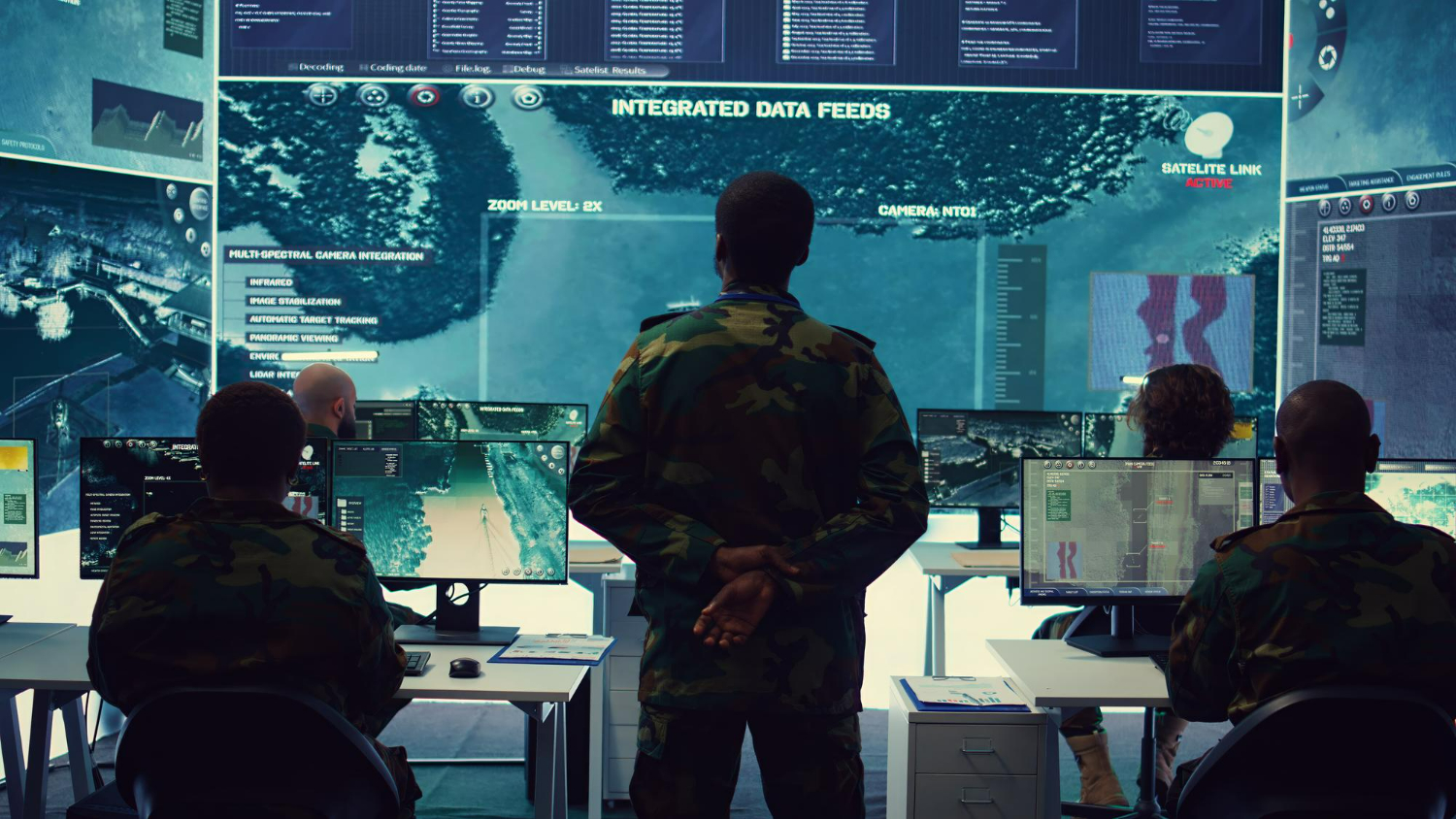
Introduction: The New Frontline of Conflict
In today’s interconnected world, information warfare has become a defining feature of modern conflict, far beyond traditional battlegrounds. Digital networks, social platforms, and emerging technologies play strategic roles in shaping public perceptions and political outcomes. As narratives spread faster than troops, misinformation and disinformation now influence global audiences and national security alike.
Information warfare Operations and Strategic Influence
Information operations have evolved through digital tools that enable mass access and rapid dissemination. Actors use social media propaganda and automated messaging to influence perception, weaken opponent credibility, and shape international responses. These operations prioritize emotional resonance and volume over factual accuracy, making them potent in the global information landscape.
Digital Platforms: Battlefields for Narratives
Platforms like Facebook, Twitter, YouTube, and Telegram serve as dual arenas for reporting and manipulation. While they provide real-time updates from conflict zones, they also enable the spread of false narratives through coordinated campaigns, bot networks, and viral content. Content moderation struggles to keep pace with the speed and scale of these operations, contributing to confusion and trust erosion.
Misinformation vs. Disinformation: The Blurred Line
High volumes of unverified reports create fertile ground for both misinformation (unintended falsehoods) and disinformation (deliberate manipulation). In hybrid conflicts where cyber operations, political influence campaigns, and digital engagement intersect
distinguishing truth from fabrication becomes difficult for both citizens and journalists.
AI and Hybrid Information Warfare
Advancements in AI are transforming how information is targeted and disseminated. AI-driven tactics can create deepfakes, optimize message delivery, and tailor propaganda at scale, complicating verification. Combined with traditional military strategies, this hybrid information warfare framework blurs the lines between cyber, digital, and kinetic conflict.
Visual Media’s Influence
Images and videos from smartphones and drones amplify emotional responses, often detached from context. These digital artifacts can drive public reaction before facts are confirmed, underscoring the ethical challenges of sharing graphic content without reliable verification.
Journalism on the Digital Frontline
Journalists face immense challenges verifying content amid misinformation. Platforms may be primary sources for frontline reports, yet their algorithms can elevate false narratives. Fact-checking efforts and verification tools are critical to maintaining credibility, but they often lag behind real-time information flows.
State Actors and Narrative Control
Governments increasingly integrate information strategies into broader geopolitical agendas. Through controlled messaging, censorship, or narrative framing, state actors aim to dominate public discourse both domestically and abroad. These approaches can limit independent reporting and manipulate public understanding.
Civilian Roles in Digital Conflict
Civilians now actively participate in information ecosystems by sharing content, reacting to narratives, and contributing to online discourse. While this can democratize reporting, it also increases the risk of amplifying misleading information with real-world effects.
Ethical and Legal Considerations
Global legal frameworks lag behind technological change. Questions about accountability, platform responsibility, and civilian digital protection remain unresolved. Ethical guidelines for sharing conflict-related information continue to evolve as digital tools advance.
Erosion of Trust and Long-Term Consequences
Persistent exposure to conflicting narratives can weaken trust in institutions and media. When audiences struggle to differentiate verified reporting from manipulation, skepticism extends to all information sources, affecting democratic processes and international cooperation.
Algorithmic Power and the Invisible Hand of Information
Beyond human actors, algorithms increasingly shape how information circulates during conflict. Recommendation systems, trending mechanisms, and engagement-driven metrics determine which narratives gain prominence and which fade into obscurity. These systems are not designed for conflict sensitivity but for attention maximization, often amplifying emotionally charged or polarizing content. As a result, visibility is not always aligned with accuracy or public interest. This algorithmic influence introduces an additional layer of opacity into information warfare, where outcomes are shaped not only by strategic intent but also by automated systems operating beyond public scrutiny.
Conclusion: Navigating Today’s Information Battlefield
In the digital age, information operations are integral to modern conflict. Managing this complex front requires stronger verification practices, improved digital literacy, and collaboration between journalists, platforms, and policymakers. As conflicts evolve, societies must adapt to contested information spaces to protect truth and accountability in the hybrid warfare era.